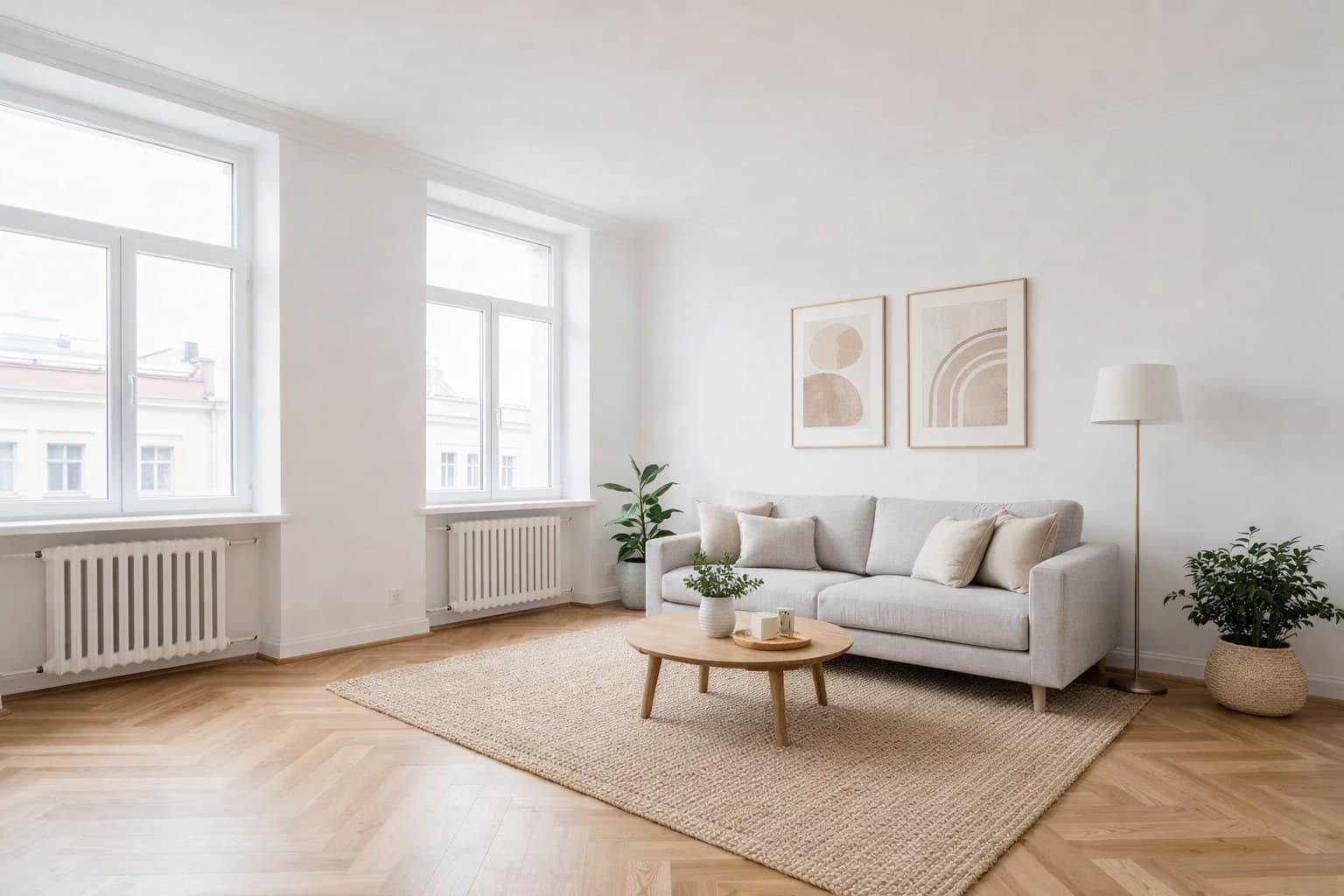
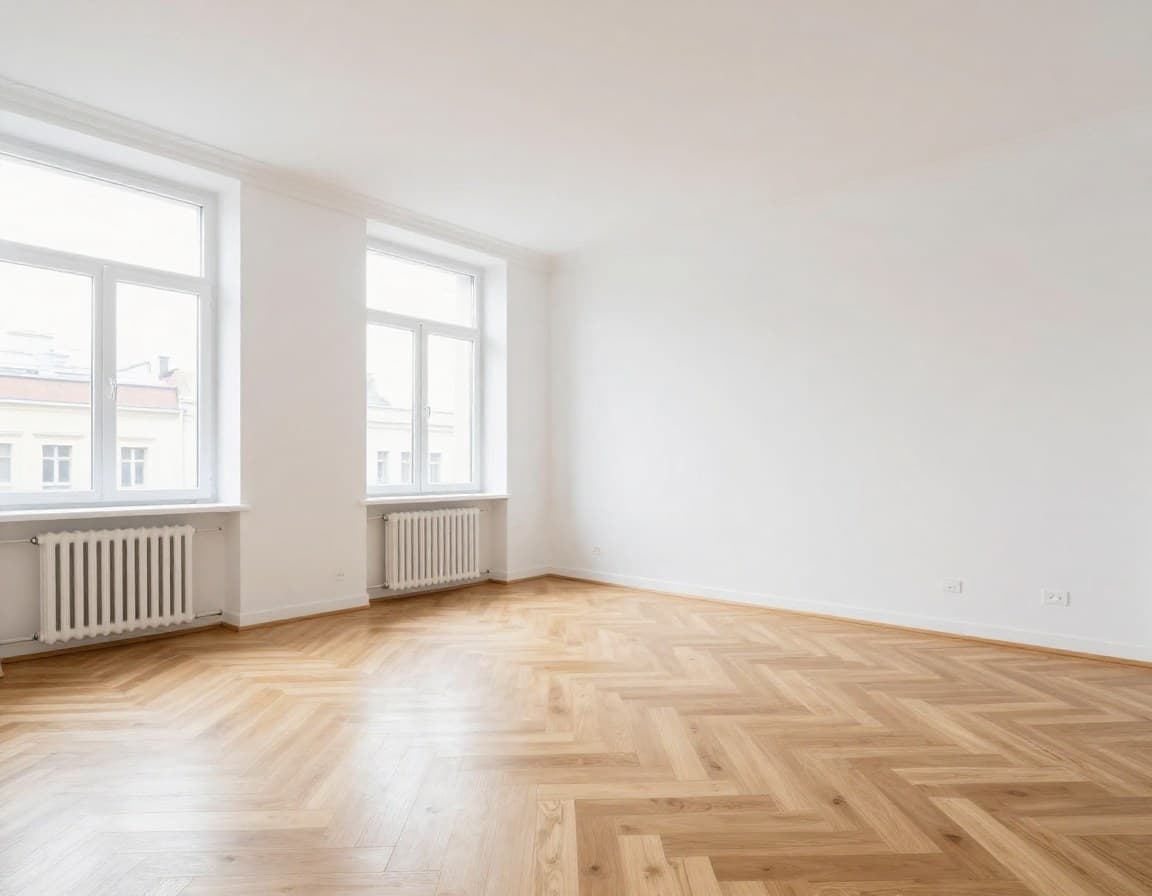
Auf einen Blick
- 9 AI staging tools in a blind test with 39 image pairs — rated by an independent AI judge (Kimi K2.5).
- Room accuracy is the decisive quality factor: specialists 4.54/5 vs. generic AI 2.46/5 (ImmoStage Blind Test, Kimi K2.5, n=39).
- Price range from €0.24 to €49 per image — more expensive does not automatically mean better.
- Market growing to $1.35 bn by 2035 (17.8% CAGR, Business Research Insights).
- DACH suitability lacking in many tools: no German UI, no GDPR-compliant server location, no European furnishing styles.
Transparency notice: ImmoStage is one of the tested providers and publisher of this analysis. All ratings are based on a blind test with 39 image pairs, evaluated by an independent AI judge (Kimi K2.5). The test methodology and raw data are documented in our study methodology.
Why this comparison exists
81 percent of buyers cannot visualize empty rooms furnished. This is supported by data from the National Association of Realtors (NAR 2025). Virtual AI staging solves this problem at a fraction of the cost of physical staging — from €0.24 per image instead of €1,500 to €4,000 per property.
The market for virtual staging software is growing accordingly. The authoritative data from Business Research Insights puts the market volume at $0.31 billion in 2026, with an annual growth rate of 17.8 percent through 2035. The forecast: $1.35 billion.
But which tool works for the German market? Existing English-language comparisons — The Close, HousingWire, Styldod — assess neither GDPR compliance nor German-language user interfaces. None publish blind test data. None measure room accuracy as an independent dimension.
We change that. A comprehensive evaluation of all real estate AI tools can be found on our pillar page. Here we focus on the virtual staging category.
Evaluation methodology: 6 criteria, 39 image pairs
We submitted 39 identical source images — empty living spaces in European apartments — to each tool. The same style instruction. The same resolution. No manual post-processing. The results were evaluated blind by an independent AI judge (Kimi K2.5 via OpenRouter) — without knowing which image came from which provider.
Of the 39 pairs, 35 were valid for evaluation. Four were excluded due to technical errors (timeout, empty output).